

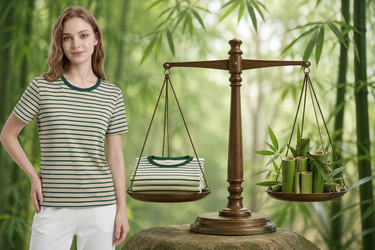
The Complete Guide to Bamboo Fabric: Advantages and Disadvantages
When consumers shop for comfortable and sustainable apparel today, bamboo fabric often appears near the top of the list. From pajamas and baby clothing to underwear and loungewear, bamboo-based textiles have become increasingly popular among both brands and end users. The appeal is easy to understand—bamboo fabric is soft, breathable, and often associated with environmentally responsible production.
However, bamboo fabric is not a perfect solution for every apparel category. Like any textile material, it has strengths and limitations that manufacturers and clothing brands should understand before making sourcing decisions. Whether you're developing sustainable bamboo clothing or evaluating new fabric options for your next collection, knowing the complete picture can help you make smarter product choices.
So what exactly makes bamboo fabric so popular in modern apparel manufacturing?
Advantages of Bamboo Fabric
Bamboo fabric has earned a strong reputation in the apparel industry because it combines comfort, performance, and sustainability in a way that few materials can match.
| Advantage | How It Benefits Clothing Products |
|---|---|
| Exceptional Softness | Creates a smooth, luxurious hand feel similar to silk or cashmere |
| Breathability | Improves airflow and temperature regulation |
| Moisture-Wicking | Helps keep wearers dry and comfortable |
| Skin-Friendly Comfort | Suitable for sensitive skin and baby products |
| Sustainability | Bamboo grows quickly with relatively low environmental impact |
| Market Demand | Increasing consumer preference for eco-conscious apparel |
Among these benefits, softness is often the feature consumers notice first. Bamboo fabric offers a silky texture that feels gentle against the skin, making it highly desirable for garments that prioritize comfort. This is one reason many bamboo clothing brands focus on categories such as sleepwear, underwear, and children's clothing.
Breathability is another significant advantage. Bamboo fibers allow air to circulate more effectively than many synthetic fabrics, helping regulate body temperature throughout the day or night. This performance characteristic makes bamboo particularly suitable for pajamas and loungewear.
The moisture-management properties of bamboo fabric further enhance its appeal. Many consumers appreciate clothing that remains comfortable during warm weather or extended wear. Bamboo's ability to absorb and release moisture helps create a cooler and drier experience compared to some traditional materials.
Environmental considerations also play an important role. Bamboo is one of the fastest-growing plants in the world and can regenerate without replanting. For brands focused on sustainable bamboo clothing, this provides a compelling sustainability story that resonates with modern consumers who are increasingly evaluating the environmental impact of their purchases.
Disadvantages of Bamboo Fabric
Although bamboo offers numerous benefits, it is important to understand the potential challenges associated with its production and performance.
Sustainability Depends on Manufacturing Methods
Many consumers assume all bamboo fabrics are inherently sustainable, but the reality is more complex.
Most bamboo textiles are produced using regenerated cellulose processes. Depending on the manufacturer, different chemical treatments may be involved during production. As a result, the environmental impact of bamboo fabric can vary significantly between suppliers.
For brands sourcing bamboo apparel, it is important to evaluate:
- Environmental certifications
- Supply chain transparency
- Factory compliance standards
- Responsible manufacturing practices
Working with experienced suppliers helps ensure the sustainability claims associated with bamboo products are supported by actual production standards.
Higher Material Costs
Compared with conventional cotton, bamboo fabric typically comes at a higher cost.
Several factors contribute to this pricing difference, including:
- More specialized processing techniques
- Lower global production volume
- Additional sustainability certifications
- Enhanced quality control requirements
While these costs may increase garment prices, many brands view them as an investment in product quality and brand positioning.
Durability Varies by Fabric Construction
Bamboo fabric is exceptionally soft, but softness can sometimes come at the expense of durability.
Pure bamboo fabrics may experience:
- Faster wear in high-friction areas
- Reduced structural stability
- Greater stretching over time
To address these concerns, many manufacturers blend bamboo with cotton, modal, or elastane. These blends help improve durability while maintaining the comfort consumers expect from bamboo products.
Consumer Education Is Often Necessary
Despite its growing popularity, many shoppers still have limited knowledge about bamboo textiles.
Brands introducing bamboo-based products frequently need to educate customers about:
- Fabric performance
- Sustainability benefits
- Care instructions
- Production methods
Providing clear product information can significantly improve customer confidence and purchasing decisions.
Which Clothing Line Can Be Made of Bamboo Fabric?
One of bamboo fabric's greatest strengths is its versatility. Its softness and breathability make it suitable for a wide variety of apparel categories.
| Clothing Category | Why Bamboo Works Well |
|---|---|
| Pajamas & Sleepwear | Soft, breathable, moisture-wicking |
| Baby Clothing | Gentle on sensitive skin |
| Underwear | Comfortable for prolonged wear |
| Loungewear | Lightweight and versatile |
| Family Matching Apparel | Suitable for adults and children alike |
| Wellness & Yoga Wear | Soft comfort with moisture management |
| Casual T-Shirts | Breathable and comfortable for daily use |
Sleepwear remains one of the fastest-growing applications for bamboo fabric. Consumers increasingly seek pajamas that provide softness, temperature regulation, and moisture control, making bamboo a natural fit for this category.
Baby apparel is another area where bamboo performs exceptionally well. Parents often prioritize fabric comfort and skin-friendliness, making bamboo a popular choice for rompers, bodysuits, pajamas, and swaddles.
Many manufacturers offering bamboo clothing wholesale services report strong demand for family matching collections. Because bamboo works well across different age groups, it allows brands to create coordinated apparel lines while maintaining consistent comfort and quality.
The growing wellness and lifestyle apparel market has also created opportunities for bamboo-based garments. Yoga clothing, casual athleisure, and homewear collections frequently incorporate bamboo fabric to meet consumer demand for both comfort and sustainability.
For emerging fashion brands, wholesale bamboo clothing programs offer a practical entry point into the sustainable apparel market. With customizable fabrics, low-MOQ options, and increasing consumer awareness, bamboo remains an attractive choice for private-label product development.
Why Bamboo Continues to Grow in Popularity
The success of bamboo fabric reflects broader changes in consumer behavior. Modern shoppers are no longer evaluating clothing based solely on appearance or price. They also consider comfort, sustainability, durability, and brand values.
Bamboo fabric addresses many of these expectations simultaneously. It provides the softness consumers desire, the performance characteristics required for everyday comfort, and a sustainability narrative that aligns with current market trends.
As more bamboo clothing brands enter the market and manufacturing technologies continue to improve, bamboo is likely to remain one of the most influential fabrics in sustainable apparel development.
Conclusion
Bamboo fabric offers an impressive balance of comfort, breathability, moisture management, and sustainability. While sourcing considerations and production methods require careful evaluation, its advantages continue to make it a preferred material across sleepwear, babywear, loungewear, and intimate apparel categories.
At Ecoenfam, we help apparel brands develop high-quality bamboo collections through flexible OEM/ODM services, low MOQ production, strict quality control, and certified sustainable manufacturing. Whether you're exploring sustainable bamboo clothing for the first time or expanding an existing product line, our team can help bring your vision to market.
It is possible that you also want to know:
10 Common Natural Fabrics in Clothing Manufacturing
Digital Textile Printing in 2026: Revolutionizing Sustainable Fashion
Zhuhai Enzhuo Clothing Co., Ltd.

Contact: Yinger (General Manager)
@ 2026 Ecoenfam Apparel