

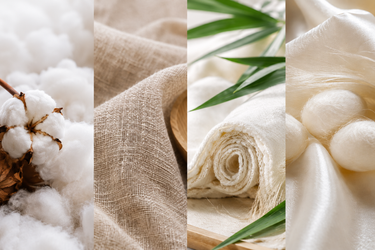
10 Common Natural Fabrics in Clothing Manufacturing
Natural fabrics are no longer just a niche preference in fashion. For many brands, they’ve become a key part of product development, brand storytelling, and customer retention. As consumers pay closer attention to sustainability, comfort, and material transparency, choosing the right eco friendly materials for clothing has become a serious business decision rather than a simple design choice.
From breathable organic cotton to silky bamboo blends and premium animal fibers, each fabric offers different advantages in clothing manufacturing. Some are ideal for babywear and loungewear, while others perform better in luxury knitwear or cold-weather apparel. For brands working with organic cotton clothing manufacturers or developing sustainable collections, understanding these materials helps reduce sourcing mistakes and improve product positioning.
So, which natural fabrics are most widely used today, and how do you choose the right one for your next clothing line?
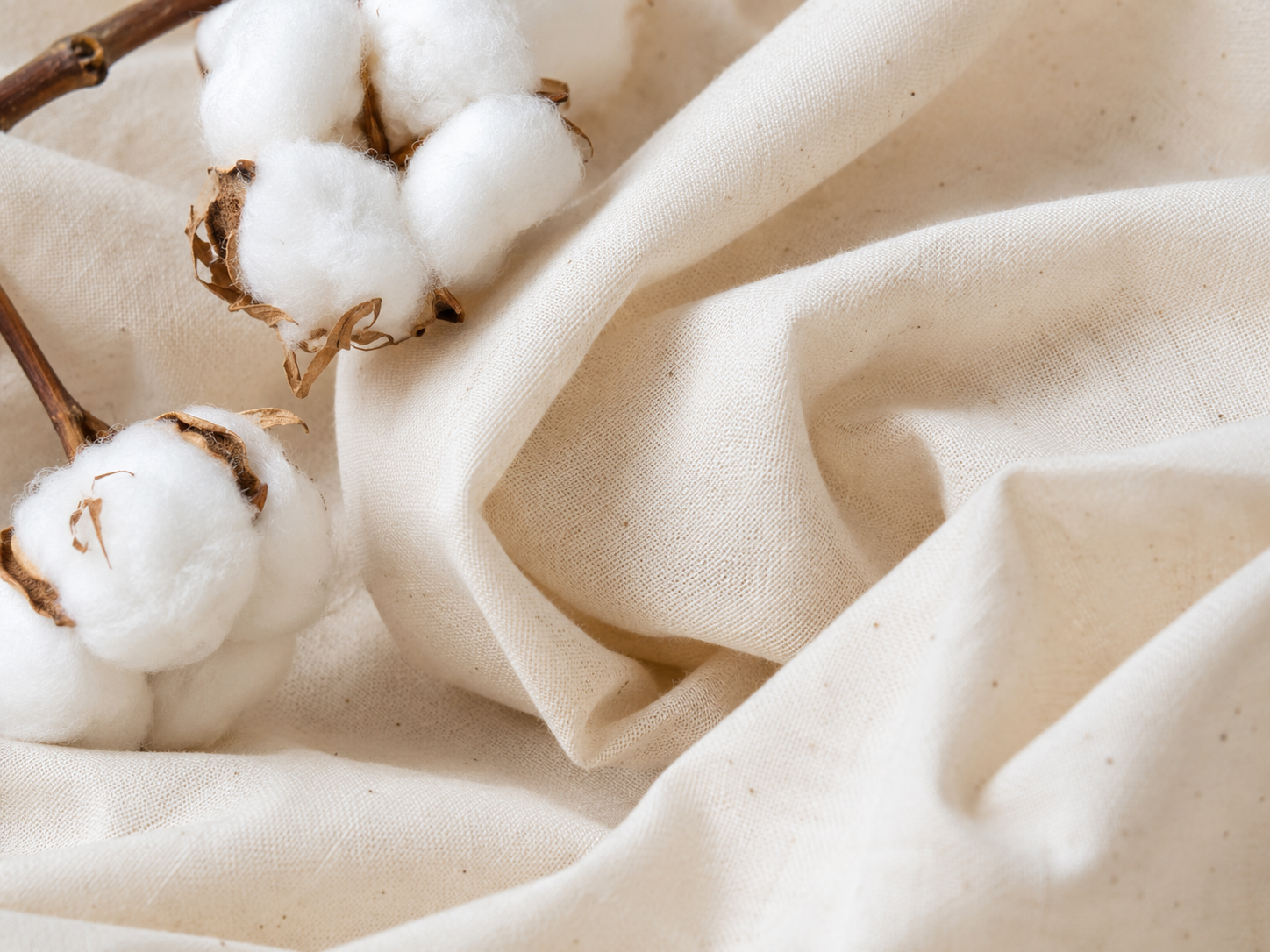
1. Organic Cotton
Organic cotton remains one of the most trusted materials in sustainable apparel manufacturing. Unlike conventional cotton, it is grown without harmful pesticides or synthetic fertilizers, making it safer for both farmers and consumers.
For brands focused on baby clothing, loungewear, and family matching collections, organic cotton provides several advantages:
- Soft and skin-friendly texture
- Excellent breathability
- Strong moisture absorption
- Easy dyeing and printing performance
Many organic cotton clothing manufacturers also combine organic cotton with recycled fibers or elastane to improve durability and flexibility.
Another major advantage is certification compatibility. Organic cotton can easily align with standards such as OEKO-TEX®, GOTS, and REACH compliance, which are increasingly important for global apparel brands.
2. Bamboo
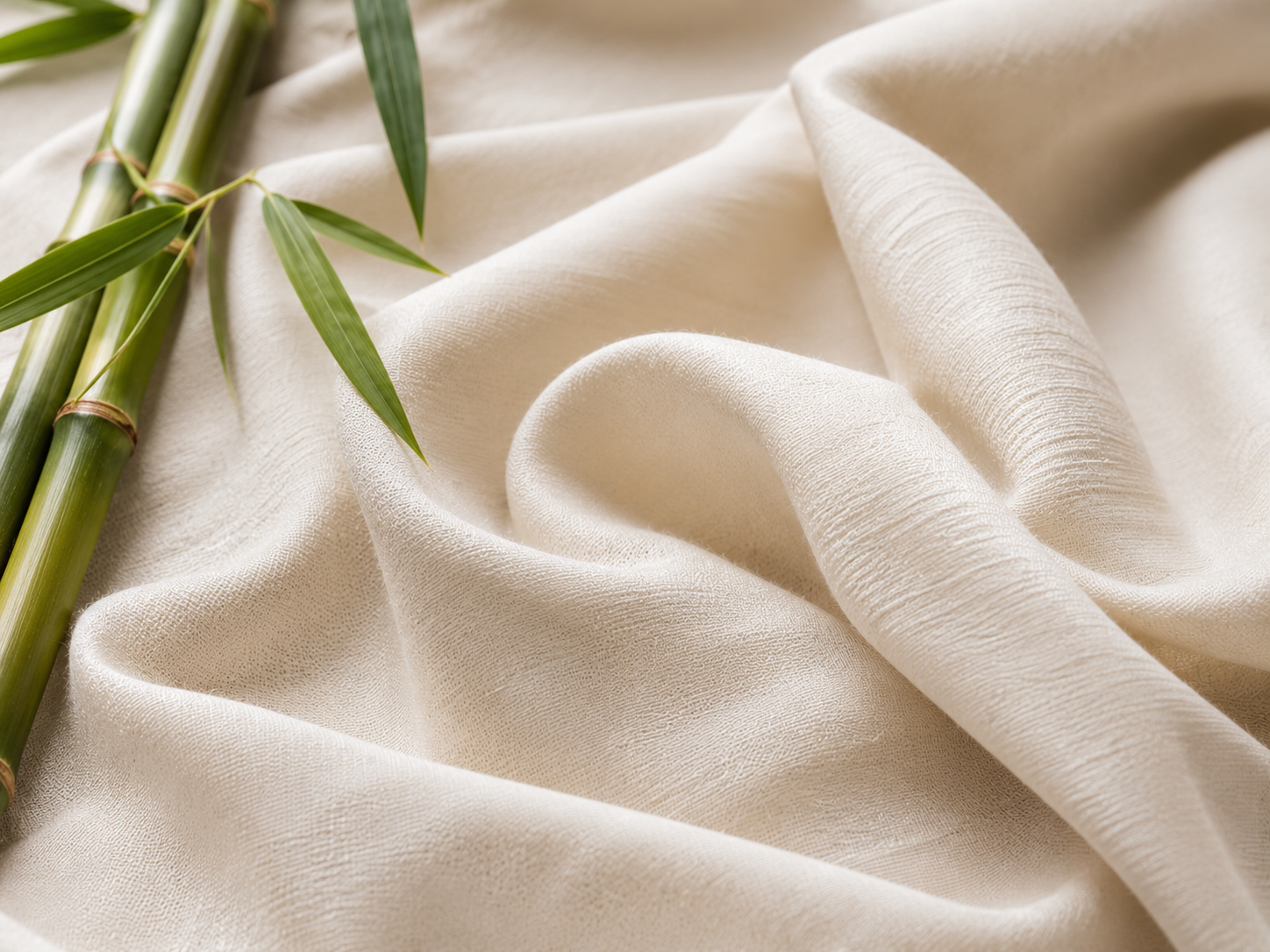
Bamboo fabric has gained massive popularity in recent years, especially in sleepwear, underwear, and children’s apparel. The appeal of bamboo clothing material comes from its exceptionally soft hand feel and moisture-wicking performance.
Compared with traditional cotton, bamboo fabric often feels cooler and silkier against the skin. This makes it especially suitable for:
- Pajamas
- Baby rompers
- Underwear
- Lightweight knitwear
- Family matching loungewear
Many sustainable brands also appreciate bamboo because it is a rapidly renewable resource.
However, not all bamboo fabrics are produced equally. Responsible manufacturers typically use closed-loop processing systems to minimize chemical waste during fiber production. When sourcing bamboo apparel, brands should always confirm environmental certifications and production methods with their suppliers.
3. Modal and Lyocell
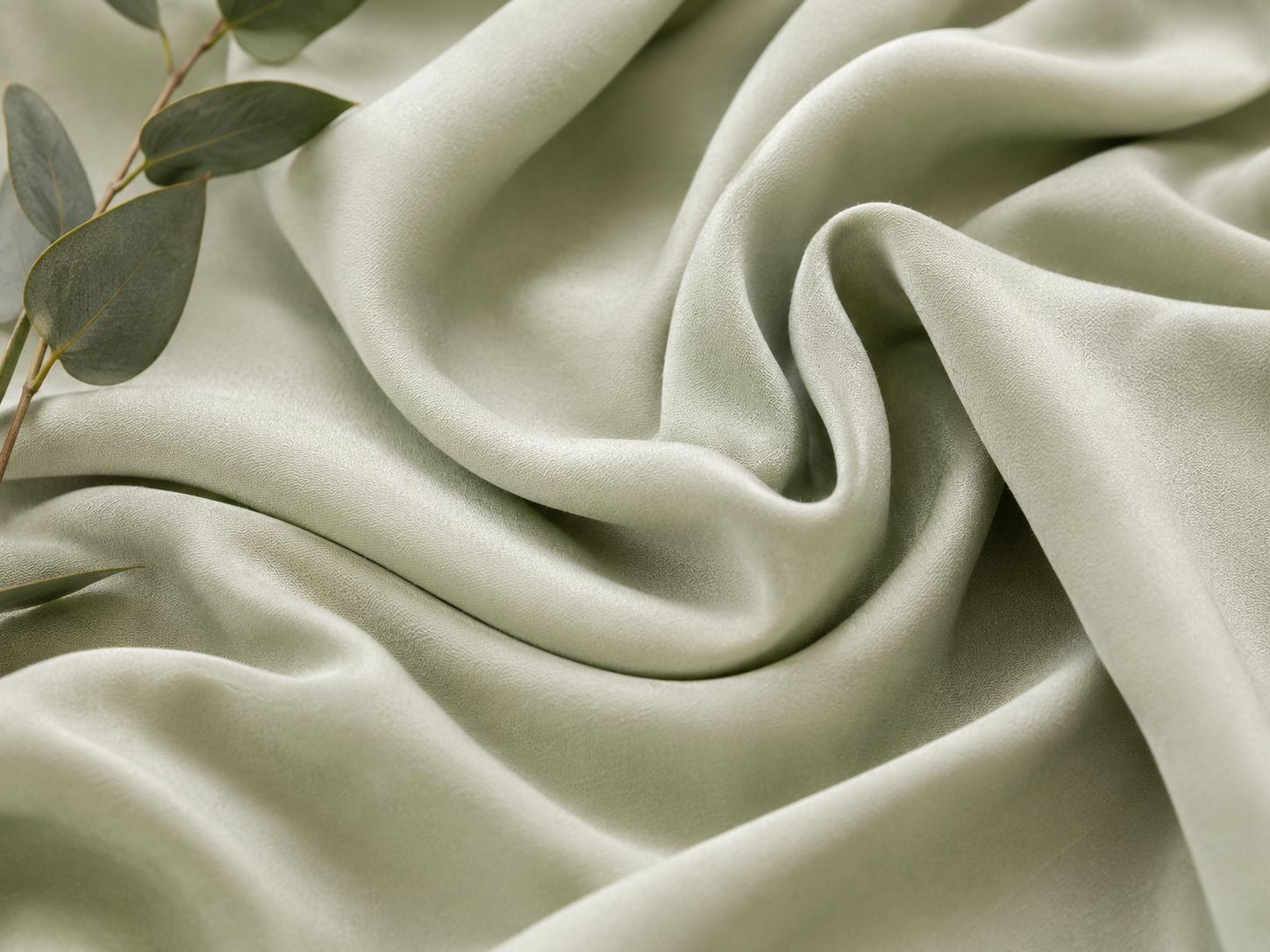
Modal and Lyocell are widely recognized for combining softness, drape, and sustainability. These regenerated cellulose fibers are commonly used in premium basics and tencel clothing collections.
Why Tencel Clothing Is Growing Fast
Tencel clothing has become increasingly popular because Lyocell fibers are manufactured through a closed-loop production process that recycles most solvents and water used during manufacturing.
Key advantages include:
- Smooth and luxurious texture
- Excellent draping performance
- Strong moisture management
- Reduced environmental impact
- Better wrinkle resistance than cotton
Modal, meanwhile, offers excellent softness and color retention, making it highly suitable for fashion basics and active loungewear.
Brands targeting premium sustainable fashion often blend Lyocell with organic cotton or bamboo to achieve a balance between comfort and durability.
4. Ecocosy
Ecocosy is an emerging eco-conscious fiber made from responsibly sourced wood pulp. It is often positioned as an alternative to viscose but with better sustainability credentials.
The fabric is valued for:
- Silky softness
- Lightweight comfort
- Excellent breathability
- Natural drape
Ecocosy is increasingly used in women’s fashion, dresses, and lightweight knitwear collections. Many brands also appreciate its biodegradable properties and FSC-certified sourcing standards.
For manufacturers, Ecocosy blends well with cotton, modal, and spandex, allowing greater flexibility in product development.
5. Linen
Linen has remained a summer fashion staple for centuries. Made from flax fibers, linen is highly breathable and naturally textured.
What makes linen stand out is its ability to regulate temperature in hot climates. This makes it ideal for:
- Summer dresses
- Resort wear
- Relaxed shirts
- Lightweight pants
Linen also requires relatively less water during cultivation compared to conventional cotton, making it one of the more eco friendly materials for clothing production.
One reason some brands hesitate to use linen is wrinkling. However, many modern fabric mills now create linen blends with cotton or Lyocell to improve softness and reduce creasing.
6. Hemp
Hemp is one of the strongest natural fibers used in apparel manufacturing. While older hemp fabrics were sometimes associated with rough textures, modern textile technology has significantly improved softness and wearability.
Today’s hemp apparel offers:
- Excellent durability
- Natural antibacterial properties
- UV resistance
- Low environmental impact
- Strong breathability
Hemp grows quickly with minimal pesticide use, which appeals strongly to environmentally conscious brands.
In commercial clothing production, hemp is commonly blended with organic cotton or bamboo to improve softness while maintaining durability.
7. Silk
Silk remains one of the most luxurious natural fabrics in the world. Known for its elegant sheen and smooth texture, silk is widely used in premium fashion and high-end sleepwear.
The fabric naturally regulates temperature, making it comfortable in both warm and cool conditions.
Common silk applications include:
- Luxury pajamas
- Scarves
- Dresses
- Blouses
- Premium baby accessories
Although silk is biodegradable and natural, sourcing ethics and production transparency are increasingly important to consumers. Brands working with silk suppliers should prioritize traceability and responsible production standards.
8. Wool
Wool is valued for its insulation, resilience, and moisture management capabilities. Different types of wool offer different textures and performance levels.
In apparel manufacturing, wool is frequently used for:
- Sweaters
- Outerwear
- Winter accessories
- Thermal base layers
Merino wool, in particular, has become highly popular because of its finer texture and reduced itchiness compared to traditional wool.
Another advantage of wool is odor resistance, which makes it suitable for active outdoor clothing.
9. Alpaca
Alpaca fiber is softer and lighter than many traditional wool varieties. It also provides excellent thermal insulation without excessive bulk.
Luxury brands often choose alpaca because it offers:
- Premium softness
- Lightweight warmth
- Low lanolin content
- Reduced skin irritation
Alpaca fibers are commonly used in knitwear, scarves, and winter fashion collections. Due to its premium positioning, alpaca is often targeted toward mid-to-high-end fashion markets.
10. Mohair
Mohair comes from the Angora goat and is known for its unique luster and fluffy texture.
This fiber is frequently used in:
- Luxury knitwear
- Fashion sweaters
- Scarves
- High-end outerwear
Mohair blends well with wool and synthetic fibers, helping improve elasticity and shape retention. Its lightweight insulation also makes it attractive for fashion-focused winter apparel.
Because mohair is considered a premium material, it is often used in designer collections and boutique fashion brands.
11. Camel Hair
Camel hair is a highly specialized luxury fiber known for warmth and softness. It is typically sourced from the undercoat of camels during seasonal shedding periods.
The material offers:
- Exceptional insulation
- Lightweight performance
- Natural softness
- Elegant appearance
Camel hair is commonly used in luxury coats, scarves, and winter tailoring. Although less common than wool or alpaca, it remains highly respected in premium textile markets.
Choosing the Right Natural Fabric for Your Brand
Selecting the right fabric depends on several commercial factors, including:
- Product category
- Customer expectations
- Climate conditions
- Sustainability goals
- Price positioning
For example, bamboo clothing material works especially well for babywear and sleepwear, while hemp and linen are better suited for casual or summer collections. Meanwhile, tencel clothing and modal blends are ideal for brands targeting soft-touch premium basics.
A reliable manufacturing partner can help brands balance comfort, durability, certifications, and production costs throughout the sourcing process.
Conclusion
Natural fabrics continue to reshape the future of apparel manufacturing. From organic cotton and bamboo to luxury fibers like alpaca and camel hair, each material offers unique benefits for modern fashion brands.
At Ecoenfam, we help brands develop sustainable apparel collections through flexible OEM/ODM solutions, low MOQ support, certified eco-friendly fabrics, and professional garment manufacturing services. Whether you are building a new private label or expanding an existing clothing line, choosing the right materials is the first step toward long-term product success.
FAQ
What is the most sustainable natural fabric for clothing?
There is no single answer, but organic cotton, hemp, bamboo, and Lyocell are widely considered among the most eco friendly materials for clothing because of their lower environmental impact and renewable sourcing.
Why is bamboo clothing material popular?
Bamboo clothing material is valued for its softness, breathability, and moisture-wicking performance, making it ideal for babywear, underwear, and loungewear.
Is Tencel the same as Lyocell?
Tencel is a brand name for Lyocell and Modal fibers produced through environmentally responsible processes. Tencel clothing is popular for its softness and sustainability.
How do organic cotton clothing manufacturers ensure product safety?
Professional organic cotton clothing manufacturers usually follow international certifications such as GOTS, OEKO-TEX®, CPC, and REACH to ensure material safety and compliance.
Which natural fabric is best for sensitive skin?
Organic cotton, bamboo, and Lyocell are often preferred for sensitive skin because they are soft, breathable, and gentle against the body.
Are natural fabrics more expensive to manufacture?
Some natural fabrics, especially luxury fibers like alpaca or silk, may cost more due to sourcing and production complexity. However, they often provide higher perceived value and stronger brand positioning.
Zhuhai Enzhuo Clothing Co., Ltd.

Contact: Yinger (General Manager)
@ 2026 Ecoenfam Apparel