

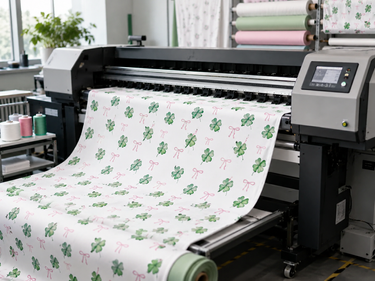
Digital Textile Printing in 2026: Revolutionizing Sustainable Fashion
Walk through almost any modern fashion trade show today, and you’ll notice one thing quickly: brands are paying far more attention to fabric sustainability and production efficiency than they did a few years ago. That shift has pushed digital textile printing into the spotlight. Once considered a niche decoration method, digital printing is now widely used in everything from eco print clothing collections to premium babywear and private-label loungewear.
For apparel brands, the appeal is obvious. Digital textile printing reduces waste, supports smaller production runs, and delivers vibrant, detailed designs without the heavy environmental footprint of traditional dyeing methods. As sustainable fashion continues evolving, many manufacturers are asking the same question: can digital printing become the new standard for eco-conscious apparel production?
Process of Digital Textile Printing
Digital textile printing is a modern printing technology that applies designs directly onto fabric using specialized inkjet printers. Unlike conventional screen printing, which requires separate screens for each color, digital printing transfers artwork directly from a computer file to the textile surface.
How the Process Works
The process generally includes several key stages:
1.Fabric Preparation
Fabrics are pre-treated to improve ink absorption and color fixation. Different fibers require different preparation methods.
2.Digital Design Setup
Patterns, graphics, and color corrections are created digitally, allowing precise customization and rapid modifications.
3.Direct Fabric Printing
Industrial printers spray water-based inks directly onto the textile.
4.Heat Fixation or Steaming
The fabric undergoes heat treatment or steaming to lock in the colors and improve durability.
5.Washing and Finishing
Excess ink is removed, followed by softening, drying, and finishing treatments.
One major advantage of digital textile printing is flexibility. Manufacturers can quickly switch between designs without producing expensive screens or plates, making small-batch production far more practical.
This is especially valuable for:
- Boutique fashion brands
- Family matching clothing collections
- Seasonal capsule launches
- Eco printing clothes with customized artwork
- Private label sustainable apparel
Because design changes are easy and setup costs are lower, brands can test new products with reduced inventory risk.
Suitable Fabrics for Digital Textile Printing
Not every textile performs equally well with digital printing. Fabric composition directly affects color vibrancy, print clarity, wash durability, and overall garment feel.
Natural and regenerated cellulose fibers generally produce the best results because they absorb water-based inks effectively while maintaining softness and breathability.
Natural Fibers: Organic Cotton, Bamboo Fiber
Organic cotton remains one of the most widely used fabrics in digital textile printing. The smooth fiber surface allows excellent color penetration while supporting environmentally responsible manufacturing practices.
For sustainable brands, organic cotton offers several commercial advantages:
- Soft texture suitable for babywear
- Strong print compatibility
- Excellent breathability
- Easier compliance with global certifications
- Better consumer perception for sustainable fashion
Organic cotton is particularly common in eco print clothing collections focused on children’s apparel, pajamas, and relaxed knitwear.
Bamboo fiber is another increasingly popular option. Known for its silky softness and moisture-wicking properties, bamboo works especially well for premium printed sleepwear and loungewear.
Compared with synthetic fabrics, bamboo absorbs digital inks more naturally, creating softer prints with less stiffness after washing.
Many eco printing clothes manufacturers now combine bamboo with organic cotton to balance softness, durability, and printing performance.
Regenerated Fibers: Tencel Modal and Tencel Lyocell
Regenerated cellulose fibers are highly compatible with digital textile printing because of their smooth texture and excellent ink absorption properties.
Tencel Modal Clothing
Tencel modal clothing is commonly used for premium basics, underwear, and soft-touch fashion collections. Modal fibers create highly detailed print results while maintaining exceptional drape and softness.
Brands choose modal because it offers:
- Smooth surface for sharp print definition
- Strong color retention
- Comfortable hand feel
- Lightweight breathability
Printed modal fabrics are especially suitable for luxury loungewear and women’s fashion.
Tencel Lyocell Clothing
Tencel lyocell clothing has become a leading material in sustainable apparel manufacturing. Produced through a closed-loop process, Lyocell fibers are known for combining environmental responsibility with premium fabric performance.
For digital textile printing, Lyocell provides several advantages:
- High-resolution print quality
- Excellent moisture management
- Soft and silky texture
- Reduced pilling compared to some viscose fabrics
Another reason many brands prefer Lyocell is its compatibility with water-based digital inks, which aligns well with sustainable manufacturing goals.
As fashion buyers become more conscious of material sourcing, regenerated fibers like Modal and Lyocell are increasingly used in eco printing clothes collections targeting environmentally aware consumers.
Environmental Advantages of Digital Textile Printing
The environmental impact of conventional textile dyeing has been a long-standing issue in the fashion industry. Traditional printing methods often require large amounts of water, chemicals, and excess inventory production.
Digital textile printing helps address several of these concerns.
Reduced Water Consumption
Conventional screen printing typically consumes significant water during screen washing and dye processing. Digital printing dramatically reduces water usage because it applies ink directly onto fabric with minimal waste.
For sustainable apparel brands, this reduction is a major advantage when building environmentally responsible supply chains.
Lower Chemical Waste
Digital printing systems generally use water-based inks with fewer harsh chemicals than traditional dyeing methods. This helps reduce wastewater contamination and simplifies environmental compliance.
Manufacturers focused on eco print clothing often choose certified inks that comply with:
- OEKO-TEX® standards
- REACH regulations
- CPSIA requirements
- FSC-certified packaging systems
Smaller Production Runs Reduce Waste
One overlooked advantage of digital textile printing is inventory efficiency.
Traditional screen printing encourages large production quantities because setup costs are high. Digital printing allows smaller MOQ production without dramatically increasing costs.
This creates several benefits:
- Lower deadstock risk
- Faster design testing
- Reduced overproduction
- Greater flexibility for seasonal collections
For independent fashion brands and startup labels, this flexibility can significantly reduce operational pressure.
Improved Customization for Sustainable Fashion
Consumers increasingly expect personalized products and limited-edition designs. Digital textile printing makes customization easier without creating excessive material waste.
Brands can now offer:
- Personalized family matching apparel
- Small-run capsule collections
- Limited seasonal prints
- Market-specific product testing
This supports both sustainability goals and stronger customer engagement.
At the same time, manufacturers can maintain production efficiency while offering more creative flexibility to clients.
Why More Apparel Brands Are Choosing Digital Printing
Beyond sustainability, digital textile printing also supports faster product development cycles.
Fashion trends move quickly, especially for online brands and direct-to-consumer businesses. Digital printing shortens development timelines by eliminating many traditional setup processes.
For OEM and ODM apparel manufacturers, this creates opportunities to help clients:
- Launch products faster
- Test new designs efficiently
- Reduce inventory risk
- Improve print complexity
- Expand sustainable product lines
As sustainable fashion becomes more competitive, brands increasingly view digital textile printing not just as a decoration method, but as a strategic manufacturing advantage.
Conclusion
Digital textile printing is changing how sustainable apparel is designed and manufactured. From reducing water consumption to supporting low-MOQ customized production, the technology offers clear advantages for modern fashion brands.
Combined with environmentally responsible fabrics like organic cotton, bamboo, Tencel Modal, and Tencel Lyocell, digital printing creates new possibilities for eco-conscious clothing collections without sacrificing quality or design flexibility.
At Ecoenfam, we help apparel brands develop sustainable custom clothing through eco-friendly fabrics, flexible OEM/ODM services, low MOQ production, and advanced garment manufacturing solutions. Whether you are building eco print clothing collections or expanding your sustainable fashion business, our team is ready to support your next project.
FAQ
What is digital textile printing?
Digital textile printing is a process that prints designs directly onto fabric using inkjet technology, allowing detailed graphics and lower production waste.
Is digital textile printing environmentally friendly?
Yes. Compared with traditional printing methods, digital textile printing typically uses less water, fewer chemicals, and produces less excess inventory.
Which fabrics work best for eco printing clothes?
Organic cotton, bamboo fiber, Tencel modal clothing, and tencel lyocell clothing are among the best fabrics because they absorb digital inks effectively while maintaining softness.
Why is Tencel Lyocell popular in sustainable fashion?
Tencel Lyocell is produced using a closed-loop process that recycles solvents and reduces environmental impact while offering excellent comfort and print quality.
Can digital textile printing support low MOQ production?
Yes. Digital printing is ideal for low MOQ orders because it eliminates expensive screen setup costs, making small-batch customization more cost-effective.
Is bamboo fabric suitable for digital textile printing?
Absolutely. Bamboo fiber provides strong ink absorption, soft texture, and breathable performance, making it highly suitable for sustainable printed apparel.
Zhuhai Enzhuo Clothing Co., Ltd.

Contact: Yinger (General Manager)
@ 2026 Ecoenfam Apparel