

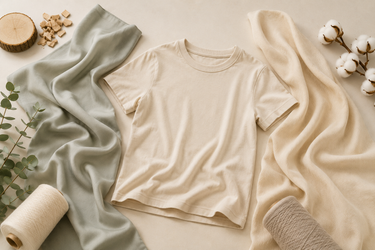
Tencel Lyocell vs. Tencel Modal: The Ultimate Guide for Apparel Brands
If you're choosing between Tencel Lyocell and Tencel Modal for tencel fabric clothing, the short answer is simple: Tencel Lyocell offers better durability and moisture management, while Tencel Modal provides superior softness and drape. Both fibers are sustainable regenerated cellulose materials, but they perform differently depending on the end product. Understanding these differences helps apparel brands select the right fabric for better product performance, customer satisfaction, and long-term brand value.
As sustainability continues to influence purchasing decisions worldwide, more tencel clothing brands are incorporating these fibers into their collections. According to Textile Exchange, the global demand for preferred fibers continues to grow as apparel brands increase their investment in lower-impact materials. Regenerated cellulose fibers, including Lyocell and Modal, have become an important part of many sustainable collections.
What is Tencel? Understanding the Sustainable Fabric
Tencel is a trademarked brand of regenerated cellulose fibers produced from responsibly sourced wood pulp. Unlike conventional synthetic fabrics, Tencel fibers originate from renewable raw materials and are manufactured using resource-efficient processes that reduce environmental impact.
Today, tencel fabric clothing is widely used across premium apparel categories because it combines comfort with sustainability. Brands appreciate its versatility, while consumers value its smooth hand feel, breathability, and moisture control. Unlike generic rayon or viscose, Tencel fibers are manufactured under strict quality standards and are known for consistent fiber performance. Their smooth fiber surface reduces friction against the skin, making them popular in premium apparel collections.
Common applications include:
- Casual T-shirts
- Women's blouses
- Baby apparel
- Knitwear
- Sleepwear
- Bedding
- Family matching outfits
Modern tencel clothing brands often choose these fibers because they align with growing consumer demand for environmentally conscious textiles without compromising quality.
Among all fiber types, tencel lyocell clothing and tencel modal clothing have become two of the most popular options for fashion manufacturers.
The Manufacturing Process of Tencel Lyocell
Understanding how Lyocell is produced helps explain its performance advantages.
Tencel Lyocell is manufactured using a closed-loop solvent spinning process. During production, wood pulp is dissolved in a non-toxic organic solvent, which is recovered and reused at a very high rate. This efficient recycling system significantly reduces waste compared with many conventional textile manufacturing methods.
The resulting fiber features:
- Excellent moisture absorption
- High tensile strength
- Smooth fiber surface
- Low tendency to pill
- Good dimensional stability
These properties make tencel lyocell clothing suitable for garments that require long-lasting performance.
Many manufacturers use tencel lyocell clothing for:
- Premium T-shirts
- Loungewear
- Dresses
- Activewear
- Children's garments
Its ability to regulate moisture also makes tencel lyocell clothing comfortable in warm climates and suitable for year-round wear.
Another advantage is durability. Compared with many regenerated fibers, tencel lyocell clothing generally maintains its appearance well after repeated washing when properly cared for.
Tencel Modal: Properties and Best Uses in Clothing
When Should Clothing Brands Choose Tencel Modal?
Modal is often selected when brands prioritize:
- Premium softness
- Lightweight garments
- Luxury loungewear
- Fashion tops
- Women's shirts
- Pajamas
While Lyocell emphasizes strength and moisture management, Tencel Modal focuses on exceptional softness.
Modal is also derived from wood pulp but undergoes a different manufacturing process that produces an extremely fine, flexible fiber. The result is fabric with outstanding drape and a silky touch.
Typical characteristics include:
- Lightweight feel
- Soft hand
- Elegant drape
- Color retention
- Comfortable stretch when blended
Because of these qualities, tencel modal clothing is frequently selected for:
- Fashion tops
- Lightweight dresses
- Undergarments
- Sleepwear
- Lounge collections
Many brands also develop premium tencel shirts for women using Modal because it creates flowing silhouettes while maintaining excellent comfort.
Consumers often choose tencel shirts for women made from Modal for office wear, travel, and everyday casual outfits thanks to the fabric's smooth appearance and luxurious feel.
As sustainability becomes more important, more tencel clothing brands are introducing Modal collections alongside Lyocell products to expand their fabric offerings.
Key Differences: Lyocell vs. Modal in Clothing Production
Although both belong to the Tencel family, they serve different purposes during apparel development.
| Feature | Tencel Lyocell | Tencel Modal |
|---|---|---|
| Softness | Excellent | Exceptional |
| Durability | Higher | Moderate |
| Moisture Management | Excellent | Very Good |
| Drape | Good | Excellent |
| Wrinkle Resistance | Better | Good |
| Best Application | Everyday apparel | Fashion garments |
When selecting materials, apparel brands should first define the garment's primary purpose.
For products requiring strength and durability, tencel lyocell clothing is often the preferred solution.
For lightweight garments emphasizing elegance and comfort, tencel modal clothing may deliver better results.
Many premium collections even blend both fibers with organic cotton to balance durability, softness, breathability, and production costs.
This flexibility explains why many successful tencel clothing brands continue expanding their use of regenerated cellulose fibers across multiple product categories.
Choosing Tencel for Shirts and Baby Clothes
Selecting the right fiber becomes especially important when designing clothing worn close to the skin.
For premium everyday tops, many designers favor tencel shirts for women because these garments combine softness, moisture management, and a refined appearance. Whether produced from Lyocell or Modal depends largely on the intended style.
Relaxed casual shirts often benefit from tencel lyocell clothing, while flowing fashion blouses frequently use tencel modal clothing. Another rapidly growing category is tencel baby clothes. Parents increasingly look for fabrics that are:
- Gentle on sensitive skin
- Breathable
- Lightweight
- Comfortable across seasons
Since babies have thinner and more delicate skin than adults, breathable fabrics that help manage moisture can improve everyday comfort. Many apparel brands therefore choose Tencel fibers when developing premium baby collections.
Because Tencel fibers have naturally smooth surfaces and effective moisture management, many manufacturers incorporate them into tencel baby clothes, including bodysuits, pajamas, rompers, and everyday essentials.
For brands developing family collections, tencel baby clothes also pair well with coordinated adult apparel, creating cohesive product lines that appeal to modern consumers.
Beyond baby clothing, Tencel fabrics are also widely used in eco-friendly knitwear, coordinated family outfits, home textiles, and fashion accessories, allowing brands to build consistent sustainable product lines.
When evaluating suppliers, apparel brands should consider more than fiber selection alone. Manufacturing capabilities, quality control, customization options, and production experience all contribute to delivering reliable finished products.
Conclusion
Both Tencel Lyocell and Tencel Modal offer significant advantages for modern apparel production. Tencel Lyocell is typically the stronger choice for durable, moisture-managing everyday garments, while Tencel Modal stands out for exceptionally soft, lightweight, and elegant fashion pieces. The right choice depends on your target customers, garment function, and brand positioning.
For brands seeking an experienced manufacturing partner, EcoEnfam provides a wide range of sustainable apparel solutions—from eco clothing and knitted garments to family matching outfits, bedding, and accessories—with flexible OEM/ODM services that help transform responsible fabric choices into high-quality finished collections.
FAQ
Is Tencel Lyocell better than Tencel Modal?
Neither fabric is universally better—it depends on the intended application. Tencel Lyocell clothing is generally preferred for garments that require durability, moisture management, and everyday performance, such as T-shirts, activewear, and children's clothing. Tencel Modal clothing, on the other hand, offers exceptional softness and drape, making it ideal for lightweight tops, sleepwear, and fashion-focused collections. Many apparel brands use both fabrics to meet different product needs.
Is Tencel suitable for baby clothes?
Yes. Many manufacturers use Tencel fibers when producing tencel baby clothes because the fabric is soft, breathable, and gentle against delicate skin. Its moisture-management properties also help keep babies comfortable throughout the day. While no fabric is suitable for every child, Tencel is widely regarded as a premium option for baby apparel when manufactured to appropriate quality standards.
Does Tencel shrink after washing?
Tencel fabrics generally have good dimensional stability when they are cared for according to the garment's washing instructions. Washing in cold or lukewarm water and avoiding excessive heat during drying can help tencel fabric clothing maintain its shape, softness, and appearance over time.
What is the difference between Tencel and cotton?
The biggest difference lies in how the fibers are produced. Cotton is a natural fiber harvested from plants, while Tencel is a regenerated cellulose fiber made from responsibly sourced wood pulp. Compared with conventional cotton, tencel fabric clothing is often recognized for its smooth surface, effective moisture management, and silky feel. Many brands also blend Tencel with cotton to combine the strengths of both materials.
What are the best uses for Tencel Modal?
Tencel Modal clothing is best suited for garments where softness and drape are the top priorities. It is widely used for women's blouses, lightweight dresses, pajamas, underwear, and premium lounge collections. Many fashion brands also choose Modal for tencel shirts for women because it creates a smooth, elegant silhouette while remaining comfortable to wear.
It is possible that you also want to know:
10 Natural Fabrics for Sustainable Clothing
Eco-Friendly Materials for Clothing: A Complete Guide
Zhuhai Enzhuo Clothing Co., Ltd.

Contact: Yinger (General Manager)
@ 2026 Ecoenfam Apparel