

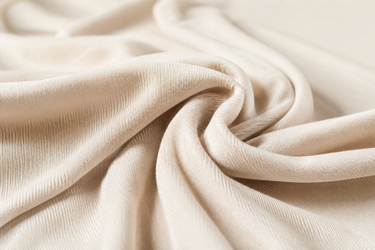
Exploring Ecocosy and Eco-Friendly Materials for Clothing Manufacturing
Consumers today are paying closer attention to how their clothing is made, not just how it looks. From fabric sourcing to manufacturing practices, sustainability has become an important consideration for both brands and shoppers. As a result, eco friendly materials for clothing are no longer a niche option—they have become a competitive advantage for apparel businesses looking to build long-term value.
Among the latest sustainable fibers gaining attention is Ecocosy, a regenerated cellulose fiber that combines softness, comfort, and responsible sourcing. Alongside established materials like Tencel, bamboo, and organic cotton, Ecocosy offers clothing brands another way to develop environmentally responsible collections without sacrificing quality or style. So, what makes Ecocosy different, and how can brands choose the right sustainable fabric for their products?
What is Ecocosy? The Next Generation of Sustainable Viscose
Ecocosy is a regenerated cellulose fiber produced from sustainably managed wood pulp. While it belongs to the viscose family, it is designed to address many of the environmental concerns associated with conventional viscose production through responsible raw material sourcing and improved manufacturing practices.
Compared with traditional viscose, Ecocosy offers a better balance between comfort, performance, and sustainability. It is commonly used in dresses, knitwear, loungewear, baby clothing, and family matching collections where softness and breathability are essential.
Some of the key advantages of Ecocosy include:
- Silky-soft hand feel that enhances wearing comfort.
- Excellent breathability for year-round use.
- Good moisture absorption to help keep the wearer comfortable.
- Beautiful drape, making it suitable for premium fashion garments.
- Biodegradable cellulose fiber sourced from renewable forests.
Many Ecocosy fabrics are made from FSC-certified wood pulp, helping brands strengthen their sustainability credentials while meeting growing consumer expectations for environmentally responsible products.
As more fashion companies invest in eco friendly materials for clothing, regenerated fibers like Ecocosy are becoming an increasingly attractive alternative to conventional synthetic textiles.
Comparing Ecocosy with Tencel and Bamboo
Choosing the right sustainable fabric depends on product positioning, target customers, and performance requirements. Although Ecocosy, Tencel, and bamboo are all considered environmentally friendly materials, each offers unique characteristics.
| Material | Main Raw Material | Key Advantages | Typical Applications |
|---|---|---|---|
| Ecocosy | FSC-certified wood pulp | Soft, breathable, elegant drape | Dresses, knitwear, children's clothing |
| Tencel Lyocell | Wood pulp | Moisture management, durability, sustainability | Premium apparel, sleepwear, activewear |
| Bamboo Fiber | Bamboo pulp | Softness, breathability, skin-friendly comfort | Pajamas, babywear, underwear |
| Organic Cotton | Organic cotton | Natural comfort, durability, easy care | T-shirts, family matching, children's clothing |
While all four materials support sustainable apparel production, they serve different purposes.
Ecocosy is often selected for lightweight garments that require a smooth appearance and flowing silhouette. Tencel Lyocell is known for its excellent moisture management and durability, making it suitable for premium everyday apparel. Bamboo remains one of the most popular options for sleepwear because of its exceptional softness, while organic cotton continues to be the preferred choice for versatile basics and eco friendly children's clothes.
Instead of relying on a single fabric, many successful clothing brands combine these fibers to achieve the ideal balance between comfort, performance, and production cost.
Top Eco-Friendly Materials for Clothing Brands
As sustainable fashion continues to grow, brands have access to a broader range of environmentally responsible fabrics than ever before. Selecting the right material depends on product category, target market, and brand positioning.
Among today's most widely used eco friendly materials for clothing are:
| Sustainable Material | Why Brands Choose It |
|---|---|
| Organic Cotton | Soft, durable, and widely recognized by consumers |
| Bamboo Fiber | Excellent comfort and moisture-wicking performance |
| Ecocosy | Elegant drape with responsibly sourced cellulose |
| Tencel Lyocell | Closed-loop manufacturing and premium performance |
| Modal | Lightweight, smooth, and color-retentive |
| Recycled Polyester | Reduces plastic waste while improving durability |
Each material contributes differently to sustainable product development.
For example, brands targeting babies and young children often prioritize organic cotton and bamboo because they are soft and gentle on sensitive skin. Fashion labels producing dresses or premium knitwear may choose Ecocosy or Modal for their luxurious texture and flowing appearance. Sportswear and outdoor apparel frequently incorporate recycled polyester to improve durability while reducing environmental impact.
The best eco friendly clothing brands rarely depend on a single material. Instead, they develop carefully selected fabric portfolios that balance sustainability, comfort, product performance, and customer expectations.
Partnering with Eco Friendly Clothing Manufacturers
Choosing sustainable fabrics is only one part of building a successful apparel brand. Equally important is working with experienced eco friendly clothing manufacturers that understand responsible production, quality control, and international compliance requirements.
A reliable manufacturing partner should offer more than garment production. They should also provide support throughout product development, helping brands transform ideas into commercially successful collections.
When evaluating potential manufacturers, consider the following factors:
- Experience with sustainable fabrics such as Ecocosy, bamboo, Tencel, Modal, and organic cotton.
- International certifications including OEKO-TEX®, REACH, FSC, and CPC where applicable.
- Flexible low MOQ production for emerging brands.
- OEM and ODM customization capabilities.
- Strict quality inspection throughout manufacturing.
- Integrated services covering sourcing, packaging, and logistics.
Beyond technical capabilities, transparency has become increasingly important. Many retailers and consumers expect manufacturers to provide information about raw material sourcing, factory standards, and environmental practices. Working with experienced partners helps brands reduce supply chain risks while strengthening customer trust.
Whether producing eco friendly children's clothes, family matching collections, or premium knitwear, selecting the right manufacturer can significantly influence product quality, lead time, and long-term brand reputation.
Conclusion
Sustainability is reshaping the apparel industry, and innovative fibers like Ecocosy are giving brands more options to create comfortable, responsible, and high-quality garments. Combined with established materials such as organic cotton, bamboo, Tencel, and Modal, Ecocosy helps clothing brands meet growing consumer expectations while supporting environmentally conscious product development.
At Ecoenfam, we specialize in sustainable OEM and ODM apparel manufacturing using carefully selected eco friendly materials for clothing. With low MOQ support, certified production standards, and end-to-end manufacturing services, we help brands develop high-quality collections that balance comfort, sustainability, and commercial success.
FAQ
What is Ecocosy fabric?
Ecocosy is a regenerated cellulose fiber made from responsibly sourced wood pulp. It offers softness, breathability, and an elegant drape while supporting more sustainable clothing production.
Is Ecocosy more sustainable than traditional viscose?
In many cases, yes. Ecocosy uses responsibly managed wood sources and improved manufacturing practices, making it a more environmentally responsible alternative to conventional viscose.
What are the best eco friendly materials for clothing?
Organic cotton, bamboo, Ecocosy, Tencel Lyocell, Modal, and recycled polyester are among today's most popular eco friendly materials for clothing because they balance comfort, performance, and sustainability.
Why do many best eco friendly clothing brands use multiple sustainable fabrics?
Different fabrics offer different benefits. Combining materials allows brands to optimize comfort, durability, moisture management, appearance, and production costs.
How do I choose eco friendly clothing manufacturers?
Look for manufacturers with experience in sustainable fabrics, international certifications, quality control systems, OEM/ODM capabilities, and transparent production processes.
Is Ecocosy suitable for eco friendly children's clothes?
Yes. Ecocosy is soft, breathable, and comfortable, making it suitable for children's clothing, family matching collections, dresses, and lightweight knitwear.
It is possible that you also want to know:
The Ultimate Pajama Guide: Explore Every Sleepwear Style
Top 10 Private Label Clothing Manufacturers in the USA
The Complete Guide to Bamboo Fabric: Advantages and Disadvantages
Zhuhai Enzhuo Clothing Co., Ltd.

Contact: Yinger (General Manager)
@ 2026 Ecoenfam Apparel