

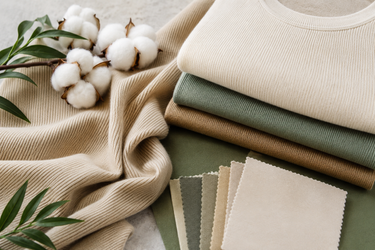
How to Develop a Sustainable Knitwear Collection with Bamboo and Organic Cotton
A successful sustainable knitwear collection starts with the right material strategy, thoughtful product planning, and a manufacturing partner capable of delivering consistent quality. Combining organic cotton knitwear with bamboo knit clothing allows fashion brands to meet growing consumer demand for environmentally responsible apparel while maintaining comfort, durability, and commercial appeal. From selecting fibers to choosing the right knitwear manufacturer, every decision influences the final product's performance, brand positioning, and long-term sustainability goals.
As sustainability becomes an essential purchasing factor rather than a niche preference, brands launching knitted clothing collections increasingly prioritize renewable materials, transparent supply chains, and reliable OEM production partners. This guide explains how to build a competitive collection using bamboo and organic cotton while making informed manufacturing decisions.
Why Sustainable Knitwear Is Growing Among Fashion Brands
The market for knitted clothing continues to expand as consumers seek apparel that combines comfort, versatility, and lower environmental impact. Knitwear is no longer limited to sweaters—it now includes T-shirts, dresses, babywear, loungewear, underwear, and matching family collections.
Several market trends are driving this shift toward knitwear sustainable solutions:
- Consumers increasingly prefer garments made from renewable or responsibly sourced fibers.
- Fashion brands face greater pressure to improve supply chain transparency.
- Retailers and online marketplaces are introducing stricter sustainability requirements.
- Circular fashion initiatives encourage longer-lasting, higher-quality garments.
According to industry reports from organizations such as Textile Exchange, the adoption of preferred fibers—including organic cotton and regenerated cellulose fibers—continues to increase as brands work toward publicly announced sustainability targets. While sustainability claims should always be supported by certification and traceability, the overall direction of the apparel industry clearly favors responsible material choices.
Unlike many woven fabrics, knitted fabrics naturally provide flexibility, breathability, and comfort. When combined with environmentally conscious fibers, they become attractive options for brands targeting premium casualwear, baby apparel, active lifestyle products, and homewear.
Rather than treating sustainability as a marketing feature alone, many successful brands integrate it into product development from the beginning. Material selection, knitting structure, dyeing processes, packaging, and manufacturing efficiency all contribute to the environmental profile of the finished garment.
How to Choose Organic Cotton and Bamboo for Knitwear Production
Choosing the right fabric is one of the most important decisions when developing knitted clothing. Both bamboo-based fibers and organic cotton offer unique performance characteristics, making them suitable for different product categories.
Organic Cotton Knitwear
Organic cotton knitwear is produced using cotton grown without synthetic pesticides or genetically modified seeds under certified farming standards. Compared with conventional cotton production, organic farming generally emphasizes soil health, biodiversity, and more responsible agricultural practices.
Brands often choose organic cotton because it offers:
- Soft hand feel suitable for daily wear
- Excellent breathability
- Reliable durability
- Strong consumer recognition
- Compatibility with multiple knitting structures
Organic cotton performs particularly well in:
- T-shirts
- Hoodies
- Sweatshirts
- Baby clothing
- Loungewear
Its versatility makes it one of the most widely adopted sustainable materials for modern knitwear collections.
Bamboo Knit Clothing
Bamboo knit clothing has gained attention because regenerated bamboo fibers can create exceptionally soft fabrics with excellent moisture management and a smooth surface. Depending on the manufacturing process and fiber type, bamboo-based textiles can provide lightweight comfort suitable for various apparel categories.
Brands frequently use bamboo fabrics for:
- Pajamas
- Underwear
- Sleepwear
- Baby garments
- Yoga apparel
- Everyday basics
Many manufacturers also blend bamboo with cotton or elastane to improve durability, stretch recovery, and fabric stability.
When evaluating bamboo fabrics, brands should verify the fiber source, production method, and relevant certifications rather than relying solely on general sustainability claims.
Comparing Organic Cotton and Bamboo
| Feature | Organic Cotton Knitwear | Bamboo Knit Clothing |
| Softness | Excellent | Extremely soft |
| Breathability | High | High |
| Moisture Management | Good | Very Good |
| Durability | Excellent | Good when blended |
| Consumer Recognition | Very high | Growing rapidly |
| Best Applications | Everyday apparel | Loungewear, babywear, underwear |
Rather than viewing these materials as competitors, many successful collections combine both. Organic cotton provides familiarity and durability, while bamboo adds premium comfort and differentiation.
Selecting the right fabric should always align with the intended garment, target customer, retail positioning, and expected product lifecycle.
Popular Knitted Clothing Categories for Private Label Brands
Private label brands are no longer focusing only on sweaters or seasonal knitwear. Advances in knitting technology and increasing demand for comfortable everyday apparel have expanded the market into multiple product categories. For brands developing sustainable collections, selecting the right mix of products can improve both market competitiveness and production efficiency.
Everyday Apparel and Loungewear
Basic T-shirts, long-sleeve tops, sweatshirts, hoodies, leggings, and lounge sets remain the foundation of most knitted clothing collections. These products have consistent year-round demand and are suitable for both online retailers and physical stores.
Many brands choose organic cotton knitwear for everyday essentials because of its durability and familiar feel. Bamboo blends are often introduced to improve softness and moisture management, making garments more comfortable for extended daily wear. Since these products are purchased repeatedly, maintaining consistent fabric quality and sizing is particularly important for customer retention.
Babywear and Family Matching Collections
Baby apparel and matching family collections have become important growth categories for many private label brands. Parents generally prefer fabrics that feel soft against the skin, while coordinated collections create opportunities for seasonal campaigns and higher average order values.
Bamboo knit clothing is frequently selected for baby bodysuits, pajamas, blankets, and sleepwear because of its smooth texture. Organic cotton is also widely used for children's clothing thanks to its durability and versatility. Combining these materials allows brands to create collections that balance comfort with everyday practicality.
Active and Lifestyle Knitwear
Modern consumers increasingly expect clothing that works across different settings, from working at home to light exercise and casual travel. As a result, knitwear has expanded well beyond traditional sweaters into versatile lifestyle apparel.
Popular products include yoga wear, lightweight pullovers, knit dresses, joggers, sports tops, and casual outerwear. Many manufacturers combine organic cotton, bamboo, and small amounts of stretch fibers to improve shape retention while maintaining comfort. This approach enables brands to offer products that suit multiple occasions without sacrificing the relaxed feel consumers expect from sustainable knitwear.
Regardless of the product category, successful private label collections usually share several common characteristics:
- Consistent fabric quality across all styles
- Cohesive colors that strengthen brand identity
- Durable construction for long-term wear Reliable sizing with minimal variation
- Flexible collections that can be expanded season after season
Rather than introducing dozens of products immediately, many successful brands begin with a carefully selected range of bestselling essentials before gradually expanding into additional knitwear categories based on customer feedback and sales performance.
How to Choose the Right Knitwear Manufacturer for OEM & Private Label Production
Even the best product idea depends on reliable manufacturing. Choosing an experienced knitwear manufacturer affects product quality, lead times, customization options, and your brand's ability to scale. Rather than focusing only on price, brands should evaluate whether a supplier can consistently support long-term production goals.
Evaluate Technical Expertise
A professional knitwear manufacturer should understand different yarn types, knitting techniques, and fabric finishes. This expertise is especially important when producing organic cotton knitwear or bamboo knit clothing, as different fibers require specific processing methods to achieve the desired softness, durability, and appearance.
Beyond production, manufacturers with strong development capabilities can also provide sample making, fabric recommendations, pattern adjustments, and technical advice, helping brands move from concept to production more efficiently.
Look for Reliable Quality and Flexible Production
Consistent quality is essential for customer satisfaction and repeat business. Instead of relying only on final inspections, experienced manufacturers monitor quality throughout the production process, from raw material checks to finished garment inspections.
Production flexibility is equally important, particularly for growing brands. Features such as reasonable MOQs, efficient sampling, customization options, and stable lead times make it easier to launch new collections while preparing for future growth.
Prioritize Sustainability and Communication
A reliable supplier should be transparent about material sourcing, manufacturing practices, and relevant certifications. Brands should also assess how well a manufacturer communicates throughout sampling and production, as clear updates can reduce delays and costly misunderstandings.
Building a long-term partnership with the same knitwear manufacturer often leads to more efficient product development, better quality consistency, and smoother production for future collections.
Final Thoughts
Developing a successful knitwear sustainable collection requires more than choosing environmentally preferred materials. Brands must balance fiber performance, product positioning, manufacturing expertise, quality control, and long-term supply chain reliability.
By combining organic cotton knitwear with carefully selected bamboo knit clothing, fashion brands can create versatile knitted clothing collections that meet evolving consumer expectations while supporting responsible product development. Choosing an experienced knitwear manufacturer with OEM and private label capabilities helps transform design concepts into commercially successful collections with consistent quality.
For brands seeking customized sustainable knitted clothing, manufacturers such as EcoEnfam offer experience in bamboo, organic cotton, and private label production, making them a practical partner for businesses looking to develop reliable and scalable knitwear collections.
It is possible that you also want to know:
Organic Cotton Clothing Manufacturers: How to Choose
Bamboo Fabric Guide: Pros and Cons Explained
Zhuhai Enzhuo Clothing Co., Ltd.

Contact: Yinger (General Manager)
@ 2026 Ecoenfam Apparel