

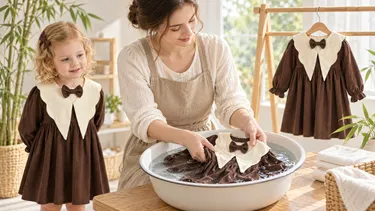
How to Care for Bamboo Viscose Clothing: Washing, Drying and Shrinkage
Bamboo viscose is soft, drapey and comfortable against the skin, but it is not a fabric you can treat like heavy cotton. Wash it too hot, spin it too hard or dry it on a high setting, and the silky feel that made customers buy the garment in the first place starts to fade. This guide explains how to care for bamboo clothing, how to wash bamboo viscose, whether it shrinks, and how clothing brands can turn all of this into care instructions that customers will actually follow.
If you sell or plan to sell bamboo garments, this matters beyond the laundry room. Care problems show up as returns, negative reviews and "it doesn't feel the same after washing" messages. Most of them can be prevented with the right fabric choice, a proper wash test and a clear care label.
Why Does Bamboo Viscose Clothing Need Proper Care?
Most bamboo clothing is made from bamboo viscose, a regenerated cellulose fiber. The bamboo is processed into a pulp and spun into yarn, which is then knitted or woven into fabric. That process gives the fabric its smooth hand feel and fluid drape, and it also explains why the fabric behaves differently from conventional cotton in the wash.
Regenerated cellulose fibers tend to be weaker when wet. Agitation, wringing and high heat put more stress on the yarn, which can lead to pilling, stretching out of shape or a duller surface over time. The same softness that customers love is the reason gentle handling pays off.
| What Customers Notice | Common Care Cause |
|---|---|
| Fabric feels rougher | Hot water, harsh detergent or heavy fabric softener buildup |
| Garment looks stretched out | Wringing, hanging while very wet or long, heavy tumble cycles |
| Surface fuzz or pilling | Friction against rough items such as jeans, zippers or towels |
| Garment fits tighter | Hot washing or high-heat drying |
If you want a broader look at where bamboo performs well and where it needs a little more attention, this guide to bamboo fabric advantages and disadvantages covers the full picture.
How to Wash Bamboo Viscose Clothing
The basic rule for bamboo viscose washing instructions is simple: be gentle with water temperature, detergent and movement. Most garments do best with a routine like this:
- Turn garments inside out, especially printed or dark-colored pieces, to reduce surface friction
- Wash in cold or lukewarm water rather than hot
- Choose a gentle or delicate cycle
- Use a mild, pH-neutral detergent and avoid chlorine bleach
- Wash with similar soft fabrics, and keep them away from zippers, hooks and rough items
- Skip heavy fabric softener, which can leave a film that dulls the fabric and reduces its natural breathability
Stains are best treated early. Dab rather than rub, because rubbing wet viscose can distort the knit and roughen the surface. For baby items, where frequent washing is normal, a mild detergent without strong fragrance is usually the safer choice, which is one reason many parents look for bamboo in the first place. If you want to read more about how the fabric suits sensitive skin, see this article on whether bamboo fabric is hypoallergenic.
These steps also work as a general answer to the common search "bamboo fabric washing instructions." The details can shift slightly with fabric blend and construction. A bamboo and spandex blend, a brushed fleece or a printed garment may need small adjustments, which is why care instructions should always be tested on the actual product rather than copied from another brand.
Can Bamboo Viscose Shrink After Washing?
Yes, it can. Many people ask "does bamboo viscose shrink?" expecting a simple yes or no, but the real answer depends on how the fabric was made and how it is washed.
Like other cellulose-based fabrics, bamboo viscose can relax and shrink when exposed to heat and moisture, especially during the first few washes. Knitted fabrics are more likely to change dimensions than tightly woven ones because loops can tighten or relax during laundering. Several factors affect how much movement you will see:
- Fabric construction — jersey, rib and fleece knits each behave differently
- Fiber blend — bamboo blended with a small amount of spandex generally recovers better than pure bamboo viscose
- Finishing — fabrics that have been pre-relaxed or pre-shrunk during finishing are more stable
- Washing and drying temperature — heat is the biggest cause of avoidable shrinkage
For customers, the practical takeaway is to wash cold and avoid the dryer's hot setting. For brands, the takeaway is to test. A garment that shrinks more than expected after one home wash is one of the most common causes of complaints in bamboo apparel, and it is much cheaper to catch during sampling than after delivery.
Machine Washing vs. Hand Washing: What Should Brands Consider?
Hand washing is the gentlest option, but it is not realistic for everyday baby clothes, pajamas or basics that people wash weekly. Brands should not assume customers will hand wash, and care labels that insist on it often get ignored.
A better approach is to design garments that tolerate a gentle machine wash, then label them honestly. In practice, that means paying attention to:
- Seam construction, so seams do not twist or distort under agitation
- Rib trims and cuffs, so they keep their shape after repeated washing
- Print type, so designs do not crack or fade in a gentle cycle
- Whether a mesh laundry bag is recommended for delicate or embellished pieces
Hand washing still makes sense for luxury pieces, lace-trimmed sleepwear or items with delicate finishes. For daily wear, a cold gentle machine cycle with a mild detergent is usually a fair balance between realistic habits and fabric care. This is especially true for children's garments, such as the styles covered in this guide to developing bamboo baby pajamas, where durability through repeated washing is part of the product promise.
How to Dry and Store Bamboo Viscose Garments
Drying is where many bamboo garments lose their shape. The safest method is to lay the garment flat on a clean surface or hang it on a padded hanger away from direct sunlight and strong heat. Hanging heavy, wet knitwear from the shoulders can stretch it out, so flat drying is better for sweaters, loungewear and thicker fabrics.
If customers use a dryer, a low-heat or air-fluff setting is the better choice, and removing garments while slightly damp helps reduce shrinkage and wrinkling. High heat is the quickest way to make bamboo viscose feel stiff or fit tighter.
For storage, keep garments clean and fully dry before folding. Knitted pieces are usually better folded than hung, because long-term hanging can pull shoulders out of shape. Breathable cotton storage bags or drawers work better than sealed plastic, which can trap moisture. Light ironing, if needed, should be done on a low setting while the garment is slightly damp, with a pressing cloth for printed areas.
How Clothing Brands Can Develop Clear Care Instructions
Good care instructions are part of product development, not an afterthought added to the label at the last minute. The brands that see fewer returns tend to treat care testing as a standard step, not a legal formality.
A practical process looks like this:
- Run wash tests on the actual bulk fabric, not just a swatch, and record dimensional change in length and width
- Test the final garment, including trims, labels, prints and zippers, not only the fabric
- Use plain-language instructions on the label, such as "machine wash cold, gentle cycle, low heat tumble dry or lay flat"
- Repeat the key instructions on the product page and in the packaging insert, so customers see them before the first wash
- Keep certification and testing documents ready for retail buyers, particularly for baby and children's categories
It also helps to choose fabrics with the right behavior from the start. A bamboo-spandex blend, a pre-relaxed knit or a more stable construction can reduce shrinkage before the customer ever touches the garment. Reviewing certified fabric options early in development makes this easier, and working with a manufacturer that supports sampling and testing under one OEM/ODM process keeps fabric, fit and care information consistent from the first sample to the bulk order.
If you are still comparing factories, this guide on how to choose the right clothing manufacturer for custom apparel development includes questions worth asking about testing and quality control before you place an order.
Conclusion
Bamboo viscose clothing stays soft and wearable for a long time when it is washed cold, handled gently and dried with low heat or laid flat. Shrinkage is real but manageable, and most of it comes down to heat, fabric construction and finishing. For brands, the best way to reduce complaints is to test garments before launch and write care instructions that match how customers actually do laundry.
At Ecoenfam, we help apparel brands develop bamboo and organic cotton collections with certified fabrics, low MOQ sampling and full OEM/ODM support. If you are planning a bamboo line and want to talk through fabric choices, wash testing or care labels, our team is happy to help.
It is possible that you also want to know:
Zhuhai Enzhuo Clothing Co., Ltd.

Contact: Yinger (General Manager)
@ 2026 Ecoenfam Apparel